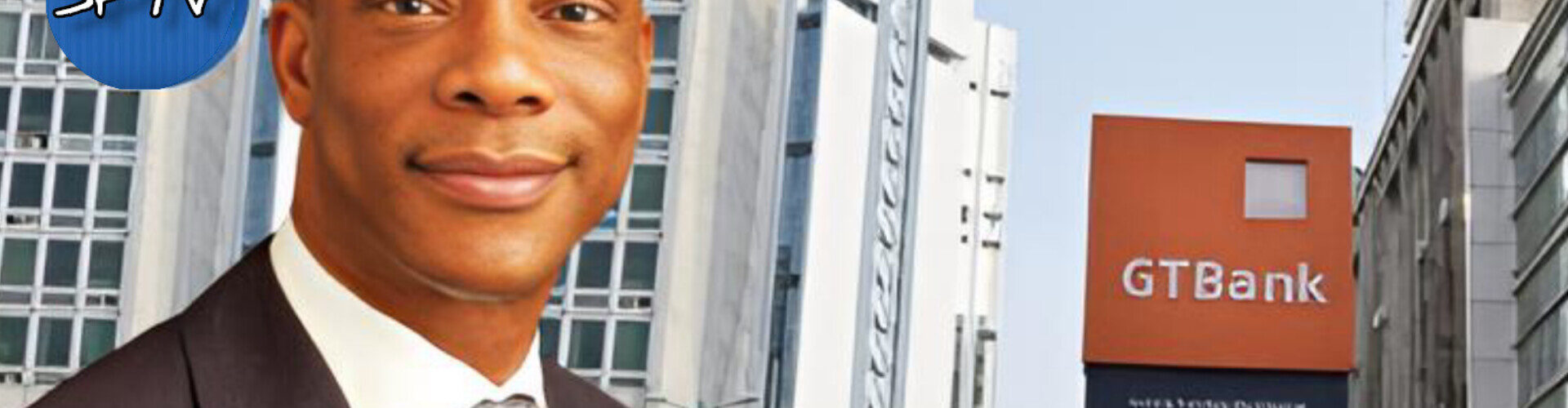
Guaranty Trust Holding Company (GTCO) rewarded shareholders with the highest dividend ever declared by a Nigerian bank for the 2025 financial year, even as its headline profit declined from the previous year.
The company paid a total dividend of ₦12.76 per share, comprising a ₦1.00 interim dividend and a ₦11.76 final dividend approved at its fifth Annual General Meeting (AGM). The payment represents a 58.9% increase over the ₦8.03 per share distributed for the 2024 financial year and reinforces GTCO’s reputation as one of Nigeria’s strongest dividend-paying stocks.
At first glance, however, the numbers appear contradictory.
Profit after tax fell to ₦865.75 billion in 2025 from ₦1.02 trillion the previous year. Profit before tax also declined, dropping from ₦1.27 trillion in 2024 to ₦1.23 trillion.
For many investors, the immediate question is obvious. Why would a company increase its dividend by nearly 60% when profits have fallen?
The answer lies beneath the headline figures. While reported earnings declined, GTCO’s core banking business continued to expand across nearly every major operating metric, suggesting the lower profit was driven more by accounting and tax changes than by weakening business performance.
Why Profit Declined in 2025
Looking only at the profit figures gives an incomplete picture of GTCO’s performance.
One of the biggest reasons for the year-on-year decline was the absence of a large one-off gain that significantly boosted the company’s 2024 results.
During the previous financial year, GTCO recorded ₦517.5 billion in fair value gains. These gains substantially increased reported earnings but were not recurring income generated by the company’s everyday banking operations.
Because those gains did not occur again in 2025, the comparison naturally makes this year’s profit appear weaker.
Another major factor was taxation.
GTCO’s tax expense increased sharply to ₦365.33 billion, compared with ₦248.44 billion a year earlier. The higher charge reflected changes in Nigeria’s fiscal policies, including adjustments affecting withholding tax on investment securities.
The combination of lower non-recurring gains and a significantly higher tax bill compressed net profit despite continued growth in the company’s underlying business.
This distinction is important because investors often separate temporary accounting effects from recurring operating performance when evaluating a company’s long-term strength.
The Core Banking Business Continued to Grow
Although headline profit declined, GTCO’s operating business produced another year of solid growth.
Interest income increased by 23.2% compared with the previous year, reflecting stronger lending activity and the higher interest rate environment that continued to benefit many Nigerian banks.
Fee and commission income also rose by 25.9%, showing that the group continued generating higher revenue from digital banking, payment services, and other customer transactions beyond traditional lending.
The balance sheet expanded as well.
GTCO’s net loan book grew by 12.4% to reach ₦3.13 trillion, indicating continued lending to businesses and individuals despite challenging economic conditions.
Customer confidence also remained strong.
Deposits climbed 23.8% year-on-year to ₦12.87 trillion, providing the bank with a larger and relatively stable funding base for future lending and investment activities.
These figures suggest that demand for GTCO’s products and services remained healthy throughout the year, even as the company operated in an environment marked by inflation, exchange rate adjustments, and tighter fiscal conditions.
Strong Financial Ratios Support the Business
Beyond revenue growth, several key financial ratios point to a business that continues to operate efficiently.
GTCO reported a return on average equity of 28.3%, indicating that it generated strong returns for shareholders relative to the capital invested in the business.
Its return on assets stood at 5.3%, another measure that compares favorably with many banks operating in similar markets.
Equally notable was the company’s cost-to-income ratio of 27.9%.
This ratio measures how much a bank spends to generate income. A lower percentage generally reflects better operational efficiency. GTCO has consistently maintained one of the lowest cost-to-income ratios in Nigeria’s banking sector, highlighting its ability to control operating expenses while expanding revenue.
Capital strength also remained one of the group’s biggest advantages.
GTCO ended the year with a Capital Adequacy Ratio (CAR) of 43.8%, comfortably above the regulatory minimum required by the Central Bank of Nigeria.
A strong capital position gives banks greater flexibility to support future lending, absorb unexpected losses, and meet evolving regulatory requirements.
For investors, it also provides confidence that dividend payments are being supported by a well-capitalized business rather than short-term financial engineering.
Why the Record Dividend Matters
The most talked-about number in GTCO’s results is undoubtedly the dividend.
The total payout of ₦12.76 per share represents the highest dividend ever declared by a Nigerian bank.
For shareholders, the increase is significant.
An investor holding 10,000 GTCO shares received ₦127,600 in dividend payments for the 2025 financial year. During the previous year, the same investor would have received ₦80,300.
That difference illustrates how substantially shareholder returns have increased within a single year.
Even more important is what the dividend says about management’s confidence.
Companies generally avoid raising dividends aggressively if they expect serious financial pressure ahead. Instead, dividend decisions often reflect management’s outlook for future earnings and cash generation.
GTCO’s payout ratio remained around 50%, meaning earnings still comfortably covered the dividend despite the decline in headline profit.
The dividend also produced a yield of roughly 10%, placing GTCO among the highest dividend-paying stocks on the Nigerian Exchange and reinforcing its appeal to income-focused investors.
A Closer Look at Earnings Per Share
One figure that deserves attention is earnings per share (EPS), which declined from ₦35.44 in 2024 to ₦25.43 in 2025.
EPS measures the portion of a company’s profit allocated to each outstanding share, making it one of the most closely watched indicators among equity investors.
The decline largely mirrors the reduction in reported profit after tax.
However, when viewed alongside the higher dividend, it tells a more balanced story. While each share generated less accounting profit than in the previous year, shareholders still received a substantially larger cash distribution.
That balance between earnings, dividends, and capital strength will remain an important consideration as investors assess GTCO’s prospects heading into 2026.
Beyond the Numbers, GTCO Strengthened Its Strategic Position
While investors focused on the dividend and profit figures, 2025 was also a landmark year for GTCO’s long-term growth strategy.
One of the company’s biggest achievements was becoming the first West African financial institution to secure a dual listing on the Main Market of the London Stock Exchange. The listing, completed on July 9, 2025, gave GTCO greater visibility among international investors and strengthened its access to global capital markets.
The group also raised ₦504 billion in fresh capital for its banking subsidiary during the year.
This capital raise was part of preparations for the Central Bank of Nigeria’s new minimum capital requirements for commercial banks. By strengthening its capital position ahead of the regulatory deadline, GTCO placed itself in a stronger position to support future lending, finance larger transactions, and pursue growth opportunities across its markets.
Together, these milestones show that management was focused on more than delivering short-term earnings. The company spent much of the year strengthening its balance sheet and positioning itself for the next phase of expansion.
Why Investors Should Look Beyond Headline Profit
Corporate earnings reports often attract attention because of one figure, profit after tax.
However, experienced investors rarely stop there.
They look at what caused earnings to rise or fall and whether those factors are temporary or structural.
In GTCO’s case, much of the decline in profit was linked to items that were unlikely to repeat every year.
The ₦517.5 billion fair value gains recorded in 2024 created an unusually high base for comparison. Without those gains, the year-on-year profit movement would have looked very different.
Similarly, the higher tax expense reflected changes in fiscal policy rather than a deterioration in the bank’s underlying operations.
When these factors are considered alongside growth in interest income, fee income, customer deposits, and the loan book, the overall picture becomes more balanced.
Rather than signalling a weakening franchise, the results suggest GTCO continued expanding its core business while navigating a more challenging earnings environment.
That distinction matters because long-term investors generally place greater value on sustainable operating performance than on temporary accounting gains.
Management Remains Confident About Shareholder Returns
GTCO’s leadership used the company’s Annual General Meeting to reinforce its confidence in the business.
Group Chief Executive Officer Segun Agbaje described the 2025 performance as evidence of the strength of GTCO’s operating model.
According to Agbaje:
“Our 2025 result underscores the resilience and depth of our earnings capacity… this strong core earnings performance underpins our capacity to sustain and grow shareholder returns.”
The statement reflects management’s belief that recurring earnings remain strong enough to support future dividend growth despite the decline in reported profit.
It also aligns with the board’s decision to approve a record dividend for shareholders.
For income-focused investors, this commitment is significant. Consistent dividend growth is often viewed as a sign that management expects stable cash generation and remains confident about the company’s long-term financial health.
What Investors Should Watch in 2026
Although GTCO enters 2026 from a position of strength, investors will be watching several key developments over the coming year.
The first is earnings growth.
With the one-off fair value gains now behind it, shareholders will want to see whether the company’s core banking operations generate stronger bottom-line growth.
Another area of focus will be loan expansion.
Nigeria’s economic environment continues to evolve, and investors will monitor how effectively GTCO grows its loan portfolio while maintaining asset quality and managing credit risk.
The impact of the ₦504 billion capital raise will also attract attention.
A stronger capital base gives the bank greater flexibility to expand lending, invest in technology, and compete for larger corporate transactions. Investors will expect these advantages to translate into stronger financial performance over time.
Finally, dividend sustainability will remain one of the biggest questions.
GTCO’s payout ratio of around 50% suggests the current dividend remains well supported by earnings. If core income continues growing, shareholders will likely look for another increase when the company reports its 2026 results.
Why This Matters for Nigeria’s Banking Sector
GTCO’s results also tell a broader story about the Nigerian banking industry.
Banks are operating in a challenging environment shaped by inflation, changing tax policies, higher interest rates, and increased regulatory capital requirements.
Despite these pressures, several leading institutions continue reporting strong operating performance driven by higher interest income, expanding digital banking services, and disciplined cost management.
GTCO’s ability to increase its dividend while maintaining strong capital ratios highlights the resilience of well-managed financial institutions, even when headline profits fluctuate.
It also reinforces an important lesson for investors.
Strong companies are not judged solely by whether profits rise every year. They are evaluated on the quality of those earnings, the strength of their balance sheet, their ability to generate cash, and the confidence management has in rewarding shareholders over the long term.
GTCO’s 2025 financial results present two stories at the same time.
The first is a decline in reported profit, driven largely by the absence of one-off fair value gains and a substantially higher tax charge.
The second is a banking business that continued to grow across nearly every major operating metric. Interest income, fee income, customer deposits, and the loan book all recorded healthy growth, while the group maintained strong profitability ratios and one of the highest capital adequacy levels in the industry.
That strength allowed GTCO to reward shareholders with a record ₦12.76 dividend per share, the highest ever declared by a Nigerian bank.
For investors, the message is clear. Looking only at headline profit does not tell the full story. GTCO’s underlying business remained resilient, management continued investing for long-term growth, and the company’s commitment to shareholder returns remained firmly intact.
Frequently Asked Questions
Why did GTCO’s profit fall in 2025?
Profit declined mainly because the company did not repeat the ₦517.5 billion fair value gains recorded in 2024. A significantly higher tax charge also reduced net profit.
How much dividend did GTCO pay for the 2025 financial year?
GTCO paid a total dividend of ₦12.76 per share, made up of a ₦1.00 interim dividend and a ₦11.76 final dividend.