
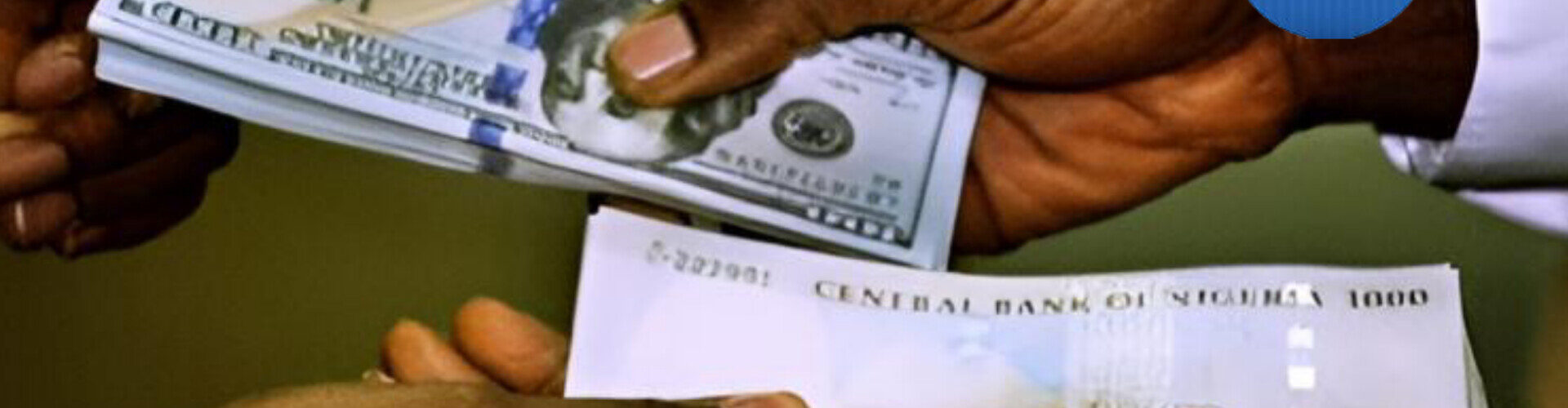
The dollar to naira exchange rate remained relatively stable on Friday, October 2, 2026, with the latest Central Bank of Nigeria reference rate at N1,329.16 per dollar.
The official Nigerian Foreign Exchange Market also traded close to the CBN rate, while the parallel market continued to quote the dollar above N1,380.
The CBN does not publish its reference rate on weekends. The next official update is expected on Monday.
CBN Dollar to Naira Rate Today
The latest published CBN reference rate stands at N1,329.16 for $1.
The official NFEM market traded around N1,328.17 on Friday, showing only a small difference from the CBN reference rate.
This keeps the official dollar to naira market within a narrow range as the naira holds relatively steady against the US dollar.
At the latest CBN rate:
$100 is about N132,916.
$1,000 is about N1.33 million.
The actual amount received through a bank or authorised dealer depends on the applicable buying or selling rate.
Dollar to Naira Black Market Rate Today
The black market continued to trade above the official rate on Friday.
The dollar sold for about N1,384 to N1,390, while buyers offered around N1,375, according to rates reported by The City Celeb, Techeconomy, Vanguard, and The Trumpet.
At a selling rate of N1,384:
$100 is about N138,400.
At N1,390:
$100 is about N139,000.
Black market rates vary by location and tracker. Some platforms reported lower figures around N1,363 to N1,375.
For this reason, the parallel market rate is better described as a range rather than one fixed price.
How Much Is the Dollar Premium Over the Official Rate?
The difference between the official rate and the reported black market selling rate is about N55 to N61 per dollar.
Using N1,384 as the black market selling rate, the difference is N54.84 per dollar compared with the CBN rate of N1,329.16.
This puts the premium at a little over 4%.
The gap shows that demand and supply conditions still differ between the official foreign exchange market and the parallel market.
Why Is the Naira Staying Relatively Stable?
One major development behind the recent stability was the CBN’s September monetary policy decision.
The Monetary Policy Committee cut the policy rate by 350 basis points, taking the rate from 26.5% to 23%.
The decision followed the committee’s September 21 and 22 meeting.
The CBN kept the cash reserve ratio at 45% and recalibrated the interest rate corridor to +50 and -300 basis points.
The lower policy rate came as the naira continued to trade within a relatively narrow range.
Naira Firmed After the CBN Rate Cut
The naira gained N2.02 against the dollar on September 22, closing at N1,327.78.
The move came despite concerns from some analysts that lower interest rates could put pressure on the currency.
The naira later closed the week at N1,329.51, compared with N1,331.20 previously. This represented a 0.12% gain.
The figures point to a relatively stable official market following the CBN’s latest policy decision.
Nigeria’s Foreign Reserves Reach About $55 Billion
Nigeria’s foreign exchange reserves also remain an important part of the currency picture.
Recent reports put the country’s reserves at about $55 billion.
Legit.ng reported the figure had risen by roughly one-fifth since January, while other reports placed reserves at around $54.7 billion and $54.86 billion.
Higher reserves give the country a larger foreign currency buffer as the CBN manages conditions in the official market.
What the Dollar to Naira Rate Means for You
The exchange rate affects Nigerians who buy goods and services priced in dollars.
A higher dollar rate raises the naira cost of imported products, international subscriptions, foreign tuition, travel expenses, and other dollar-linked payments.
For someone exchanging $100, the difference between the official rate and a black market selling rate of N1,384 is about N5,484.
The actual rate available to you depends on where you exchange the money and whether the transaction goes through an authorised channel.
What to Expect on Monday
The latest official CBN rate available before the weekend is N1,329.16 per dollar.
Since the CBN does not publish its reference rate on Saturday and Sunday, the next official figure is expected on Monday.
Traders and consumers will be watching whether the official rate remains close to the N1,329 level and whether the gap with the parallel market narrows or widens.
For now, the official market remains around N1,329 per dollar, while black market selling rates are around N1,384 to N1,390.
Final Thoughts
The naira ended the week relatively stable against the dollar, with the latest CBN reference rate at N1,329.16.
The official NFEM market also remained close to the reference rate, while the parallel market continued to trade above N1,380.
The CBN’s September rate cut, strong foreign reserves, and recent movements in the official market will remain important factors for the naira as trading resumes on Monday.
For weekend readers, the N1,329.16 figure is the latest published CBN reference rate available as of Friday, October 2, 2026.
Frequently Asked Questions
What is the CBN dollar to naira rate today?
The latest published CBN reference rate is N1,329.16 per US dollar as of Friday, October 2, 2026.
What is the dollar to naira black market rate today?
The dollar sold for about N1,384 to N1,390 on the black market, while buyers offered around N1,375. Rates differ between locations and exchange trackers.
How much is $100 in naira today?
At the CBN rate of N1,329.16, $100 is worth about N132,916. At a black market selling rate of N1,384, the same $100 is about N138,400.
How much is $1,000 in naira today?
At the CBN rate, $1,000 is worth about N1.33 million.
Why is the black market dollar rate higher?
The parallel market reflects different supply and demand conditions from the official foreign exchange market. The exact rate also varies between traders and locations.
When will the CBN publish the next dollar rate?
The CBN does not publish its reference rate on weekends. The next official update is expected on Monday.