
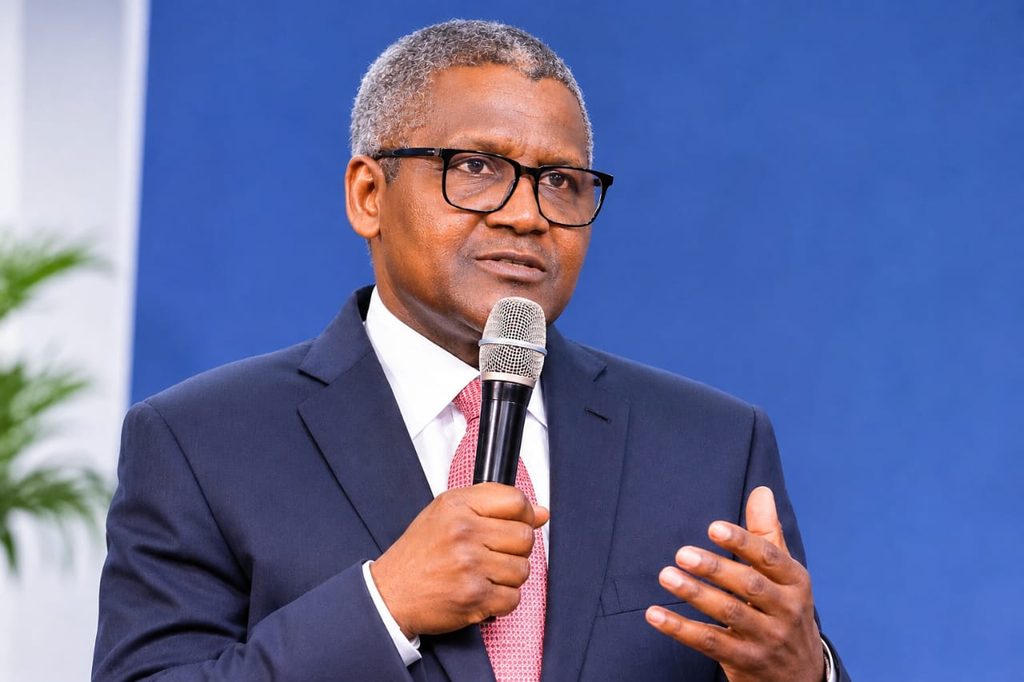
Africa’s richest man, Aliko Dangote, has urged wealthy Nigerians to invest more of their money in the country’s economy, arguing that local investment is essential for attracting foreign investors and creating sustainable economic growth.
The billionaire industrialist made the call during the 37th public lecture of the Federal University of Technology, Owerri (FUTO), held on April 25, 2026. The lecture focused on enterprise, leadership and service to humanity.
During his address, Dangote explained that Nigeria should not depend entirely on foreign investors to develop its industries. He believes wealthy Nigerians and local business owners must first demonstrate confidence in their own economy.
His message comes as Nigeria continues to face economic difficulties, including unemployment, high production costs, foreign exchange pressure and dependence on imported products.
Dangote also pledged N550 million towards the construction of a student hostel at FUTO and announced an additional N25 million donation to students through the Student Union Government.
Why Dangote Wants Wealthy Nigerians to Invest at Home
Dangote believes domestic investors have an important responsibility in determining how foreign investors view Nigeria.
According to him, international investors usually examine the confidence of local businesses before committing substantial funds to a country. When local entrepreneurs are willing to establish factories, expand businesses and invest in infrastructure, foreign investors are more likely to see opportunities.
He explained his position with a direct statement: “Foreign investment follows local confidence. It does not lead it.”
His argument challenges the idea that Nigeria must depend primarily on foreign capital to develop its economy.
For Dangote, wealthy Nigerians should take the first step by investing in sectors capable of generating employment and producing goods for local consumption and export.
He believes Nigeria needs more long-term investments in manufacturing, agriculture, energy, technology and infrastructure.
Nigeria’s Dependence on Imported Products
One of the major economic issues highlighted by Dangote is Nigeria’s dependence on imported finished products.
For decades, the country has imported several goods despite possessing natural resources and a large domestic market capable of supporting local production.
This dependence creates pressure on foreign exchange demand. When businesses need dollars to purchase products from overseas, currency fluctuations often increase their operating costs.
Consumers eventually feel the impact through higher prices.
Dangote believes Nigeria needs to move away from an economy that depends heavily on importing finished goods towards one that produces more products locally.
He argued that importing finished products amounts to importing poverty, inflation and unemployment because the jobs and industrial opportunities remain in the countries producing those goods.
How Dangote’s Business Journey Supports His Argument
Dangote’s own business journey provides an example of the investment approach he wants other wealthy Nigerians to consider.
He started his business career in commodity trading and distribution before expanding into large-scale manufacturing.
His business group later established major operations in cement, fertiliser, food processing and petroleum refining.
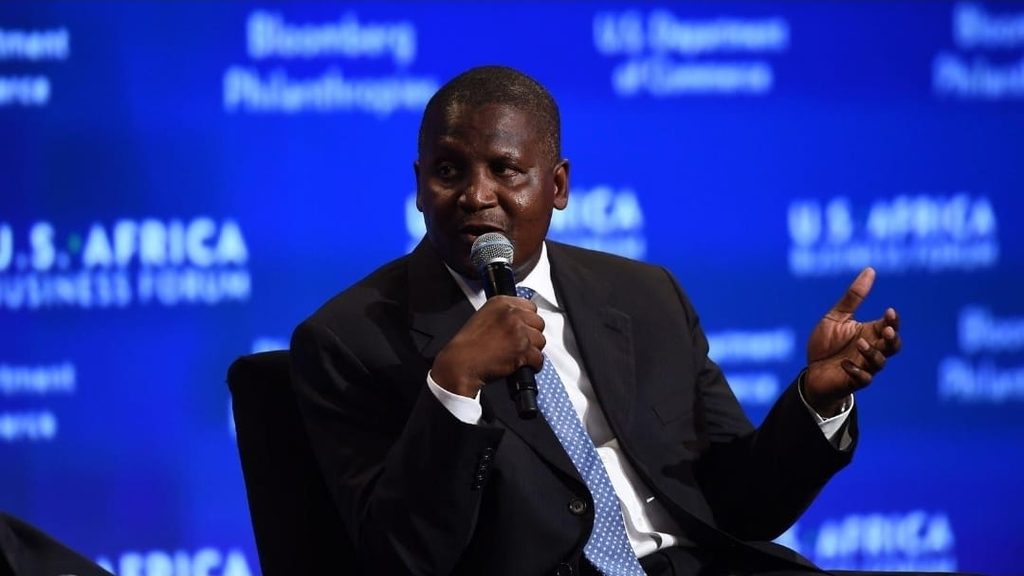
The decision to move from importing and distributing products towards manufacturing them locally became an important part of his business strategy.
One major example is the Dangote Petroleum Refinery in Lagos.
The refinery represents a multibillion-dollar investment in Nigeria’s energy industry. Its operations are expected to strengthen domestic refining capacity, support local industrial activities and create opportunities across related sectors.
The project also demonstrates the scale of investment required to develop industries capable of serving large markets.
However, major industrial projects require years of planning, substantial financing, skilled workers and supportive government policies.
Why Manufacturing Matters to Nigeria’s Economy
Manufacturing remains an important part of economic development because industries create jobs and increase the value of locally available resources.
For example, producing finished agricultural goods instead of exporting raw materials creates additional opportunities for farmers, processors, transport companies, packaging businesses and retailers.
The same principle applies to petroleum refining, cement production and fertiliser manufacturing.
When more products are manufactured locally, businesses also become less exposed to international supply disruptions.
Nigeria has significant natural resources, a large population and a growing consumer market. These advantages provide opportunities for businesses willing to invest in local production.
However, the country needs more factories and processing facilities to turn these resources into finished products.
The Role of Government in Encouraging Local Investment
Although Dangote wants wealthy Nigerians to invest more locally, the government also has an important responsibility.
Investors need an environment where they understand the rules and have confidence in the future of their businesses.
Unreliable electricity, poor roads, high transportation costs, insecurity and unpredictable government policies increase the cost of doing business.
For manufacturers, these challenges often determine whether local production remains profitable.
The government must therefore improve infrastructure, maintain consistent policies, strengthen security and support access to affordable financing.
It should also create fair conditions for local businesses to compete with imported products.
Without these improvements, some investors will continue to consider other countries where operating costs and business risks are lower.
Can Local Investment Attract Foreign Investors?
Dangote believes the answer is yes.
When local entrepreneurs invest substantial money in factories, infrastructure and businesses, they send a message that opportunities exist within the country.
Foreign investors often look for established markets, reliable business partners and evidence of economic activity before committing capital.
Strong domestic investment therefore helps build confidence.
However, attracting foreign investors also requires stable regulations, transparent institutions, reliable infrastructure and access to markets.
Nigeria needs both domestic and foreign investment. The two sources of capital should support one another rather than compete.
What This Means for Wealthy Nigerians
Dangote’s message places attention on the responsibility of Nigeria’s wealthy individuals.
Many wealthy Nigerians invest in different countries and industries. International investments are important for diversification, but domestic investment also has direct benefits for the Nigerian economy.
When wealthy individuals establish factories, support local businesses or finance infrastructure, they contribute to employment and industrial development.
The challenge is finding ways to make long-term investments attractive and profitable.
Nigeria also needs more entrepreneurs willing to invest in areas beyond traditional trading and real estate.
Final Thoughts
Dangote’s call for wealthy Nigerians to invest locally raises an important question about the country’s economic future.
Nigeria has wealthy business leaders, natural resources and a large consumer market. Yet the country still depends heavily on imported products across several industries.
Increasing domestic investment will help strengthen local manufacturing, create employment and attract international capital.
However, wealthy Nigerians should not carry the responsibility alone. The government must provide reliable infrastructure, stable policies and a business environment where investors feel confident.
Nigeria’s economic progress will depend on how effectively both the public and private sectors work together to develop local industries.
Frequently Asked Questions
- Why is Aliko Dangote urging wealthy Nigerians to invest locally?
Dangote believes local investment will strengthen domestic industries, create jobs and attract foreign investors who want to see confidence among Nigerian business owners.
- How does local investment help Nigeria’s economy?
Local investment supports manufacturing, increases employment, encourages production and reduces dependence on imported finished products.
- What does Nigeria need to attract more local investors?
Nigeria needs reliable electricity, good roads, affordable financing, improved security, stable government policies and a business-friendly environment.