

For years, Tesla’s Cybertruck represented one of Elon Musk’s most ambitious attempts to change the automobile industry. Its unusual design attracted global attention, generated enormous online discussions and created expectations of a new era for electric pickup trucks.
But the vehicle’s commercial performance has failed to match the excitement surrounding its launch.
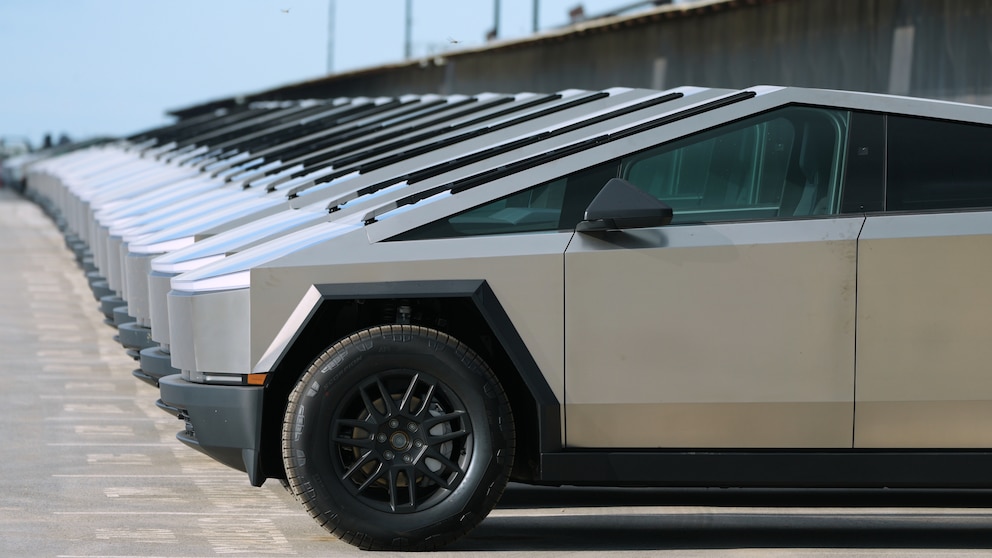
Now, Tesla is preparing to wind down Cybertruck production, and Musk has announced another development affecting customers who placed orders but have yet to receive their vehicles.
On November 9, 2026, Musk said Tesla would refund deposits to many Cybertruck customers because the company expects to receive more orders than it will be able to fulfil before production ends.
The announcement raises questions about Tesla’s original plans for the vehicle, the strength of demand for electric pickups and the company’s growing focus on autonomous transportation.
Why Tesla Is Returning Cybertruck Deposits
Musk explained that Tesla has more outstanding Cybertruck orders than the company expects to manufacture before shutting down the production line.
The automaker intends to produce as many vehicles as possible over the next eight months.
Musk also said Tesla would introduce an additional production shift to increase output and fulfil more customer orders.
Despite the planned increase, the company expects to leave many orders uncompleted.Those customers will receive refunds for their deposits.
Tesla has not yet announced the total number of affected customers or the overall value of the refunds.
The company also has not provided a complete timetable explaining when customers will receive their money.
For people who placed orders and waited for delivery, the announcement creates uncertainty. Some will receive their vehicles, while others will have to look for alternatives.
The Cybertruck Dream Started With Huge Expectations
Tesla unveiled the Cybertruck in November 2019.
The vehicle immediately attracted attention because of its unusual angular body, stainless-steel exterior and futuristic appearance.
Musk presented the pickup as a major challenge to traditional manufacturers such as Ford and General Motors.
He also made ambitious sales predictions.
At the time, Musk suggested Tesla could eventually sell around 250,000 Cybertrucks annually.
The company received substantial attention and customer interest before deliveries began in late 2023.
However, the journey from unveiling to commercial success proved more difficult than expected.
The vehicle experienced production delays, design criticism, recalls and questions about its practicality.
Its unusual appearance attracted loyal supporters, but it also divided potential buyers.
Weak Sales Put Pressure on Tesla’s Pickup Business
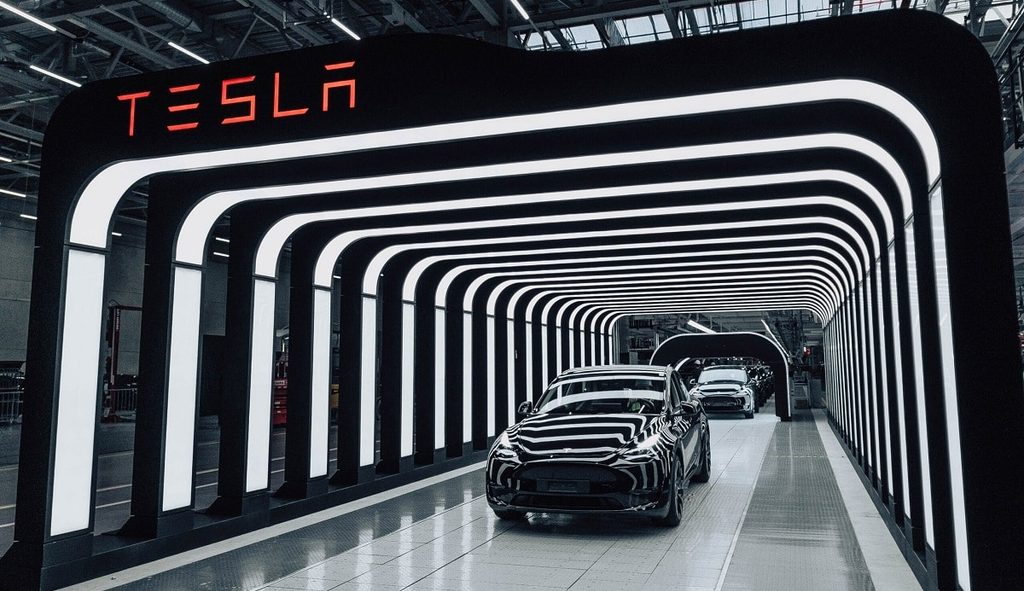
the Cybertruck’s sales figures reveal the difficulties Tesla has faced in turning public attention into sustained demand.
According to Kelley Blue Book figures cited by Reuters, Tesla sold 20,237 Cybertrucks in the United States during 2025.
This represented a 48 per cent decline from the 38,965 vehicles sold in 2024.
The figures are far below Musk’s earlier annual target of 250,000 vehicles.
The wider electric pickup market has also faced difficulties.
Buyers often consider price, driving range, charging access, towing capacity and repair services before purchasing an electric truck.
Traditional petrol and diesel pickups also have established customer bases, particularly among commercial users and people who depend on trucks for demanding work.
Tesla therefore faced a difficult task. It needed to convince customers to accept a different design, a new technology platform and a different ownership experience.
Why Tesla Wants to Replace Cybertruck Production With Cybercab
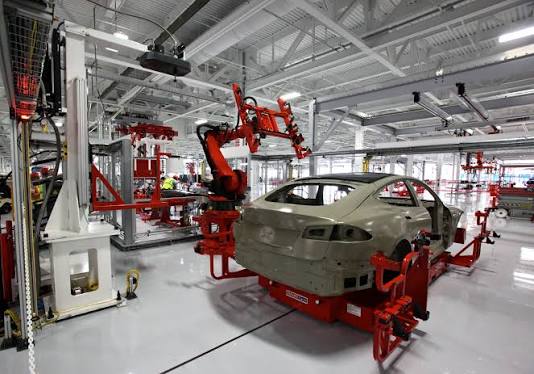
Musk’s decision to wind down Cybertruck production is connected to Tesla’s growing interest in autonomous transportation.
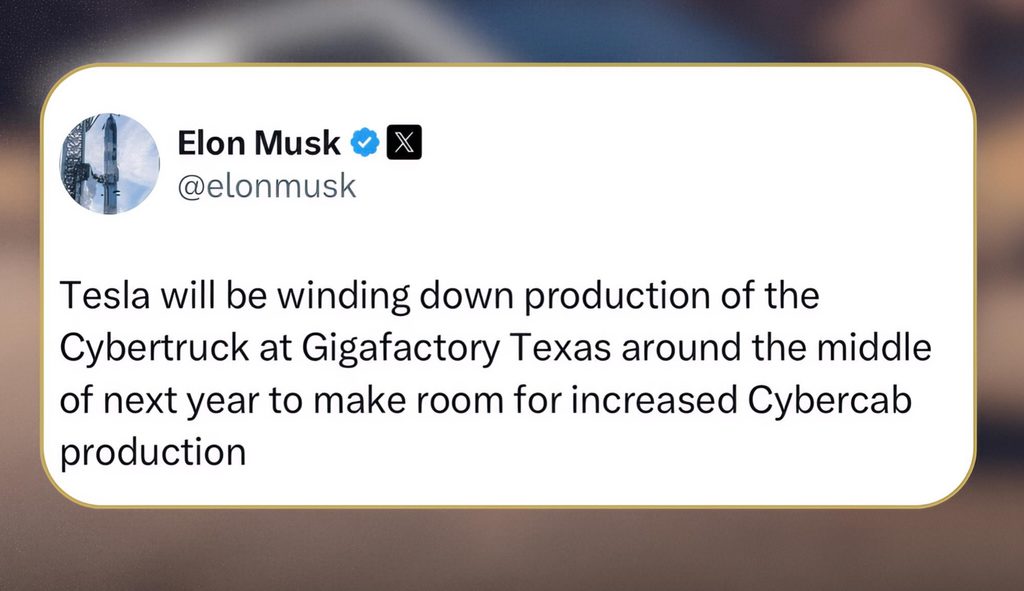
The company plans to redirect factory resources towards increasing production of its Cybercab robotaxi.
Cybercab forms part of Musk’s broader ambition to turn Tesla into a major player in self-driving transportation.
The vehicle is designed around autonomous driving rather than traditional personal driving.
Tesla believes the robotaxi business offers a significant opportunity for future growth.
By redirecting factory space, machinery and production resources, the company hopes to increase its ability to manufacture Cybercabs.
But the strategy also carries risks.
Autonomous vehicles face technical challenges, regulatory requirements and public safety concerns.
Tesla must demonstrate that its technology performs reliably before robotaxis become a large-scale transportation option.
What Happens to Customers Who Already Ordered a Cybertruck?
The most immediate concern involves customers who paid deposits but have not received their vehicles.
Musk has confirmed that Tesla intends to refund many of them.
However, the company has not disclosed the complete process for identifying affected orders.
Customers will need to follow official communication from Tesla regarding delivery status and refund arrangements.
The announcement also raises questions about how Tesla will manage its remaining production capacity.
The company intends to increase output before the shutdown, but the available time is limited.
Tesla’s Next Big Test
The Cybertruck production decision represents a major change in Tesla’s business strategy.
The company once presented the electric pickup as a vehicle capable of transforming the truck market.
Its sales performance has fallen far below the original expectations, and Tesla is now preparing to redirect resources towards autonomous vehicles.
The decision does not mean Tesla is abandoning electric vehicles altogether. The company continues to operate its wider electric vehicle business.
But the Cybertruck story shows how difficult it is to turn a highly publicised product into a successful mass-market business.
Final Thought
Tesla’s Cybertruck journey shows how difficult it is to turn a popular product announcement into long-term commercial success.
The vehicle attracted global attention, but its sales performance fell below Elon Musk’s earlier expectations. Tesla is now preparing to redirect resources towards its autonomous transportation ambitions.
For customers awaiting delivery, the biggest concern is whether they will receive their vehicles or refunds. For Tesla, the next challenge is proving that its Cybercab strategy will deliver stronger results.
Frequently Asked Questions.
1. Why is Tesla planning to stop Cybertruck production?
Elon Musk says Tesla wants to redirect factory resources towards Cybercab production.
2. Will Tesla refund Cybertruck deposits?
Musk announced refunds for customers whose orders Tesla expects to leave unfulfilled before production ends.
3. What is Tesla Cybercab?
Cybercab is Tesla’s proposed autonomous electric taxi, designed to transport passengers without a human driver.