
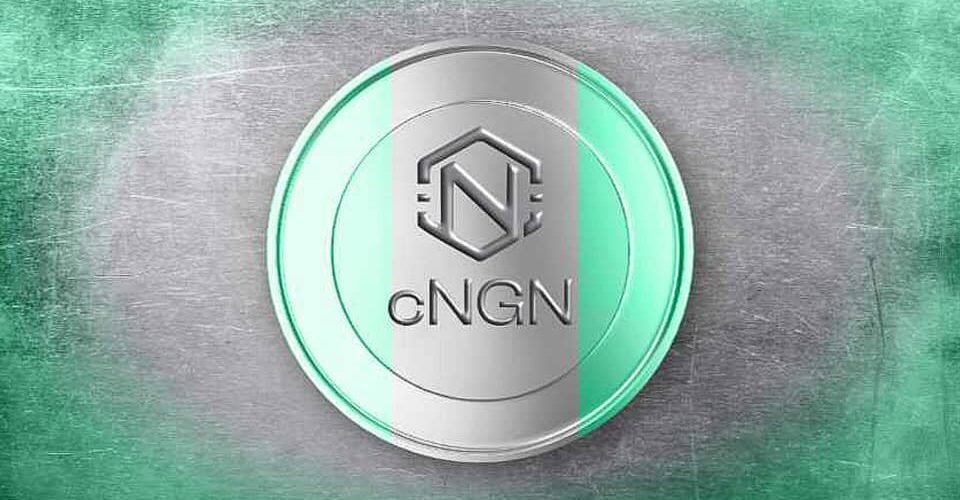
Nigeria has long been at the heart of Africa’s crypto movement. Despite regulatory uncertainties in past years, its youthful population and high mobile penetration have kept the country at the forefront of digital finance adoption. Now, with the introduction of the cNGN stablecoin and a wave of fast-tracking regulations, confidence in Nigeria’s crypto ecosystem is rising once again.
This renewed trust is not only driving retail adoption but also attracting institutional interest, positioning Nigeria as a leader in the region’s digital economy. But what exactly is fueling this momentum, and why does it matter now more than ever? Let’s unpack it.
Nigeria’s Crypto Journey: From Suspicion to Regulation
Just a few years ago, Nigeria’s crypto space faced significant challenges. The Central Bank of Nigeria (CBN) restricted banks from facilitating crypto-related transactions, creating confusion and limiting mainstream adoption.
However, the story is shifting:
- The introduction of clearer crypto guidelines is reducing uncertainty for both investors and businesses.
- Authorities are signaling a willingness to embrace blockchain as part of the country’s financial future.
- The cNGN stablecoin, designed to maintain parity with the Nigerian naira, promises stability in a market often criticized for volatility.
This evolution highlights a broader digital transformation happening in Nigeria, one that spans beyond crypto into artificial intelligence and tech-driven solutions. In fact, strategies like those discussed in A Practical Guide to AI Monetization in Nigeria with Gemini and Google Tools (2025) show how innovation across sectors is reshaping the country’s economy.
The Role of the cNGN Stablecoin
The launch of the cNGN stablecoin marks a significant milestone in Nigeria’s digital finance journey. Unlike volatile cryptocurrencies, stablecoins are pegged to a fiat currency—in this case, the naira—making them more predictable and reliable for everyday transactions.
Key benefits include:
- Price Stability: Protecting users from crypto’s notorious volatility.
- Faster Transactions: Enabling instant cross-border payments with lower fees.
- Financial Inclusion: Helping unbanked populations access stable digital money.
- Institutional Appeal: Providing a safer entry point for businesses and investors.
This aligns closely with global trends where stablecoins are bridging the gap between traditional finance and decentralized systems.
Fast-Tracking Regulations: Why Now?
Nigeria’s government and regulators are under pressure to keep pace with the rapid adoption of digital assets. With millions of Nigerians trading crypto, it became clear that bans and restrictions were no longer effective.
Fast-tracking regulations serves several purposes:
- Protecting Consumers: Ensuring that users, especially first-time investors, are shielded from scams and fraud.
- Boosting Confidence: Offering investors a framework they can trust.
- Encouraging Innovation: Allowing fintech startups and blockchain developers to build within clear boundaries.
- Attracting Investment: Signaling to global investors that Nigeria is open for responsible crypto business.
This regulatory shift is why trust in the ecosystem is on the rise.
Why Trust Matters in Crypto
Trust has always been the cornerstone of financial systems. For crypto, especially in Nigeria, it is even more critical because:
- Many citizens use crypto to hedge against naira inflation.
- Remittances rely on reliable digital tools for cross-border transfers.
- Institutional investors require assurance that regulations protect both assets and users.
And trust is not just a Nigerian issue. Globally, institutions are reevaluating their positions in the crypto space. For instance, Ethereum’s renewed dominance has led many major players to shift strategies, as highlighted in Ethereum’s 2025 Comeback: Why Institutional Investors Are Choosing ETH Over Bitcoin. This mirrors Nigeria’s own journey of moving from skepticism to confidence in digital assets.
Global Implications: Nigeria as a Model
Nigeria’s crypto journey is being closely watched across Africa and beyond. If successful, the combination of cNGN stablecoin adoption and progressive regulations could make the country a model for other emerging markets struggling to balance innovation with consumer protection.
This matters because Africa is poised to become one of the fastest-growing regions for digital finance, with Nigeria often serving as the bellwether for the continent.
FAQs
1. What is the cNGN stablecoin?
The cNGN is a digital stablecoin pegged to the Nigerian naira, designed to provide stability for crypto users in Nigeria.
2. Why is Nigeria regulating crypto now?
With millions already using digital assets, the government aims to provide clear rules that protect consumers and encourage investment.
3. How does the cNGN benefit Nigerians?
It offers a stable, low-cost, and accessible alternative to volatile cryptocurrencies for payments and remittances.
4. Is Nigeria’s crypto ecosystem safe?
With new regulations and the rise of trusted instruments like cNGN, the ecosystem is becoming safer, though users should remain cautious.
5. How does this compare to global crypto trends?
Similar to other regions, Nigeria is embracing stablecoins and regulatory clarity to build long-term trust and adoption.
Final Thoughts
Nigeria’s crypto ecosystem is turning a new page. The rollout of the cNGN stablecoin and the acceleration of crypto regulations are restoring confidence in a space once clouded by uncertainty.
For Nigerians, this means more reliable tools for saving, investing, and transacting in an increasingly digital world. For the global crypto community, it signals that Africa’s largest economy is serious about becoming a hub for blockchain innovation.
The lesson is simple: where trust grows, adoption follows. And Nigeria’s renewed trust in crypto could very well set the tone for the continent’s digital financial future.