
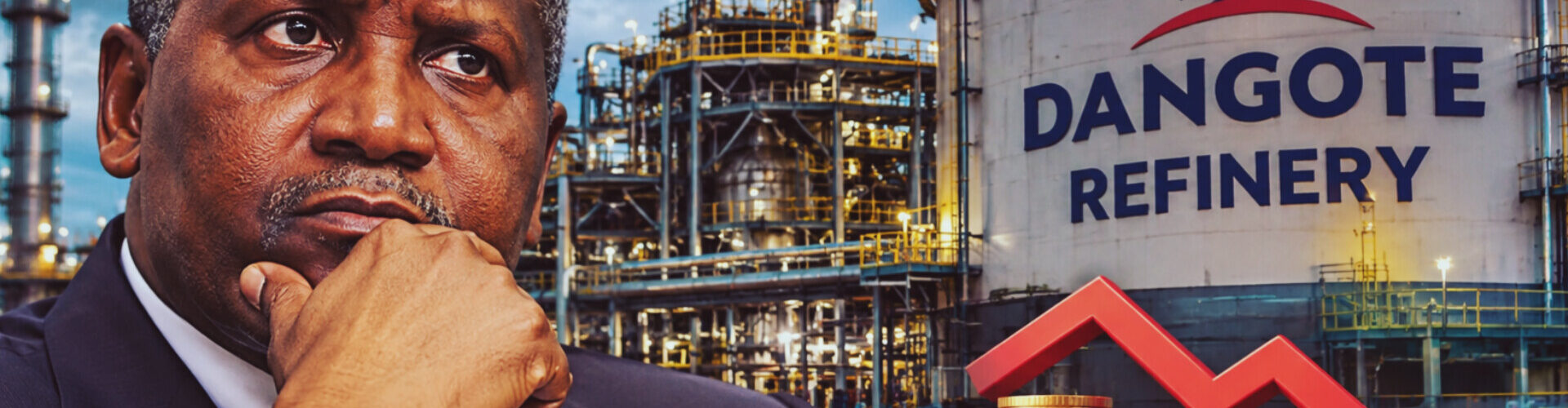
Aliko Dangote wanted millions of ordinary Nigerians and Africans to become shareholders in his refinery. His target was ambitious. He wanted to attract 10 million investors through the company’s public share offer.
But after the offer closed, the billionaire admitted that the refinery failed to reach the target.
The development has raised questions about the success of the share sale, especially because the company reportedly received subscription orders worth approximately ₦6.4 trillion, almost three times the value of the shares initially offered.
Dangote made the disclosure at the 25th annual conference of Women in Management, Business and Public Service in Lagos. He explained that the company attracted millions of participants but did not achieve the 10 million target.
The refinery’s public offer has therefore presented two different outcomes. The company attracted enormous financial demand, but its ambition to bring 10 million people into its ownership fell short.
So, what was Dangote trying to achieve? How many people participated? Why did the offer attract so much money?And does missing the target mean the billionaire lost money?
What Was Dangote Trying to Achieve With 10 Million Investors?
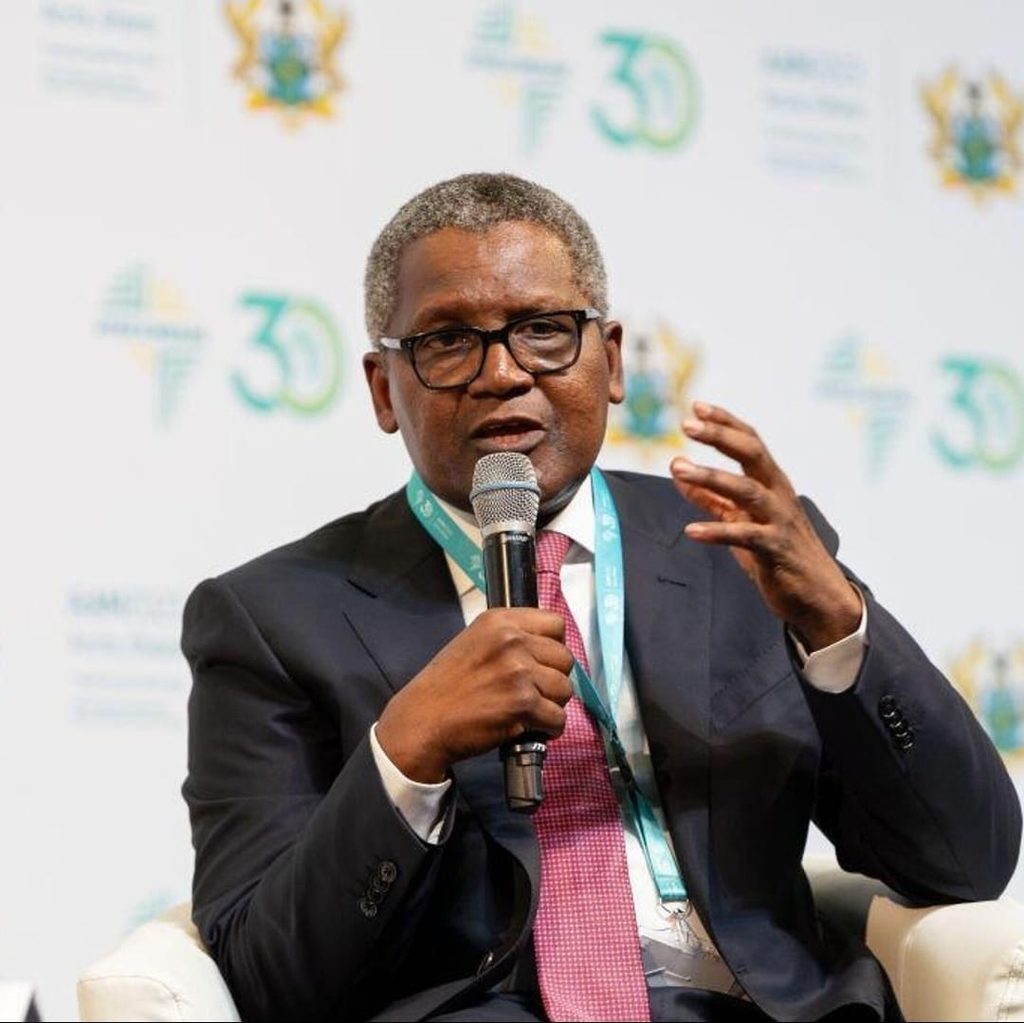
Dangote wanted to change the ownership structure of his refinery by allowing millions of ordinary people to own a small part of the business.
For years, the refinery remained under the control of Dangote and his business interests. The public offer provided an opportunity to bring outside investors into the company.
The idea was simple. Instead of allowing a small group of wealthy individuals and institutions to own most of the business, millions of people would have an opportunity to buy shares.
This was why the company promoted the offer as “The People’s IPO.”
Dangote also wanted to encourage Nigerians to invest their money in local businesses rather than keeping all their savings in bank accounts or depending entirely on foreign investments.
The plan had a wider African ambition. Dangote wanted people across the continent to participate in one of Africa’s largest industrial projects.
He pointed to the number of investors attracted by major share offerings in other countries. He mentioned GTBank’s previous public offer, Safaricom in Kenya and Saudi Aramco’s global share sale as examples.
According to Dangote, the number of people participating in his refinery offer had already reached millions, even though the company missed its 10 million target.
The target was therefore about more than raising money. Dangote wanted to create a large shareholder base and give ordinary Africans a direct financial interest in the refinery.
How Much Did Dangote Refinery Offer to Investors?
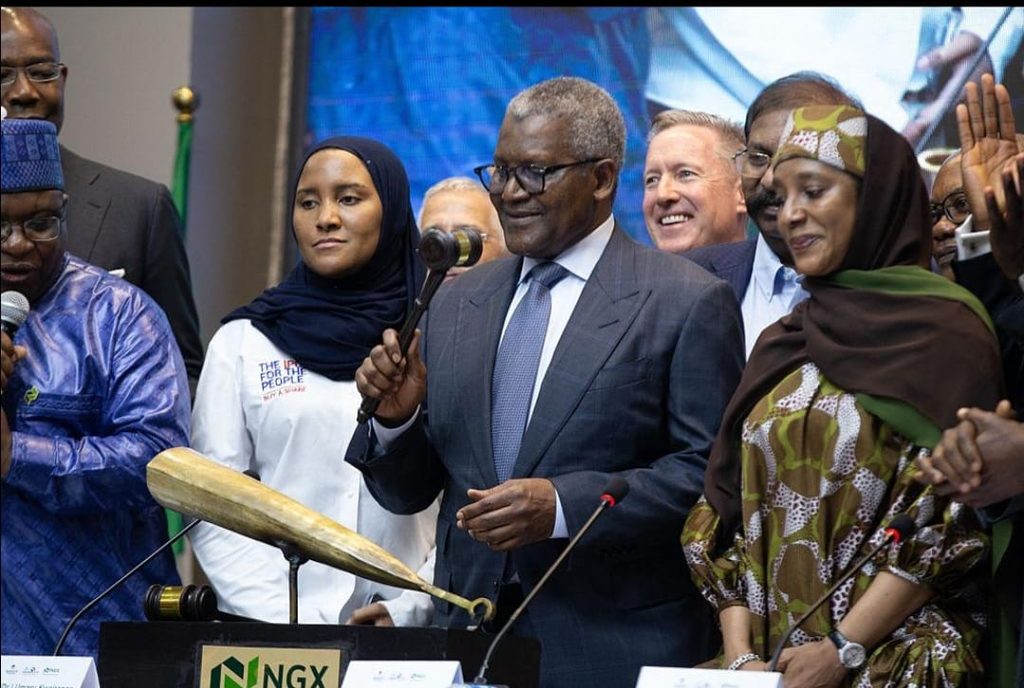
The refinery offered 4.1 billion ordinary shares at ₦525 per share.
The offer was valued at approximately ₦2.15 trillion.
Investors did not need millions of naira to participate. The minimum subscription was 10 shares, meaning an investor needed ₦5,250 to apply.
The company designed the offer to attract both individual and institutional investors.
Investors could apply through approved digital platforms and receiving agents. The process also required the relevant investor identification and securities account details for share allotment.
The offer opened on September 14, 2026, and was initially scheduled to close on October 13.
Following strong interest, the closing date was extended to October 27.
The extension gave investors more time to complete their applications and allowed more people to participate.
Why Did Dangote Want Millions of Nigerians to Own Refinery Shares?
The refinery represents one of the largest private industrial investments in Africa.
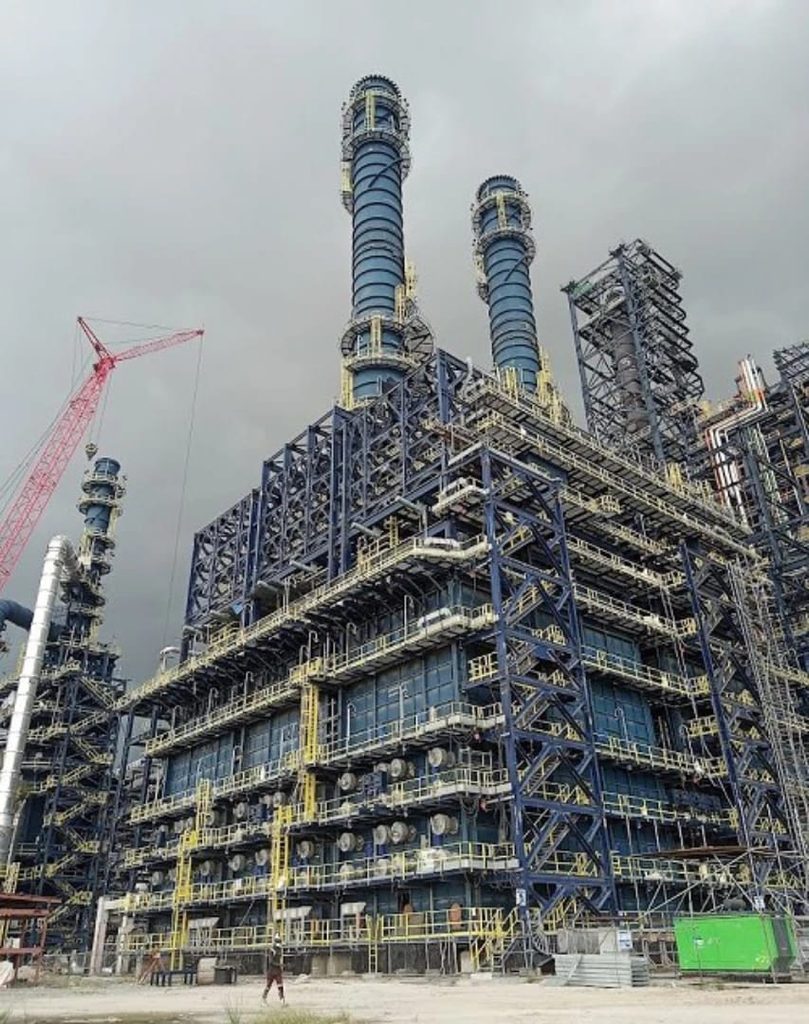
Reuters reported that Dangote Group spent approximately $20 billion building the facility over 10 years.
The refinery began operations in 2024 and reached its full production capacity in 2026, according to Reuters’ September report.
Its planned expansion is another major reason behind the public offer.
Dangote wants to increase the refinery’s processing capacity to 1.4 million barrels of crude oil per day over the next three years.
The expansion would require significant investment in additional facilities, equipment and supporting infrastructure.
Raising money through the capital market gives the company access to investors beyond its existing owners and institutional financiers.
It also gives the refinery an opportunity to establish a wider shareholder base and improve its ability to raise funds through the stock market in the future.
For Dangote, the public offer was therefore about raising capital, expanding the refinery and bringing more Africans into the ownership of the business.
How Much Money Did the Refinery Attract?
The biggest surprise from the offer was the reported ₦6.4 trillion in subscription orders.
The refinery initially offered shares worth approximately ₦2.15 trillion, but investor demand reached almost three times the offer value.
This means investors submitted applications worth far more than the shares initially available.
The difference between the two figures is important.
The ₦6.4 trillion represents subscription demand. It does not mean the refinery automatically received ₦6.4 trillion in cash.
The final amount raised depends on the shares approved for allotment and the applicable terms of the offer.
When demand exceeds the available shares, the company and its advisers must follow the approved allocation process. Some applicants might receive fewer shares than they requested, while money for unallocated shares is subject to the refund process.
The strong demand nevertheless shows how much interest the refinery generated among investors.
How Many People Actually Invested?
This is one of the biggest unanswered questions following the public offer.
Dangote confirmed that the company did not reach its 10 million investor target. But he did not announce a final verified number.
Reuters had previously reported that more than two million investors subscribed through digital channels before the offer closed.
That figure does not necessarily represent the final number of unique investors across every application channel.
There is also a difference between the number of subscription transactions, the number of individual applicants and the number of people who eventually receive shares.
For example, one investor might submit more than one transaction. Counting each transaction as a separate investor would produce an inaccurate figure.
The company still needs to complete the verification and allotment process before the final shareholder count becomes clear.
Dangote said participation had reached the millions and compared the turnout with previous major share offerings in Africa and other parts of the world.
The final figures will show how close the refinery came to its ambitious target.
Did Dangote Lose Money Because He Missed the Target?
No. Missing the 10 million investor target does not automatically mean Dangote or the refinery lost money.
The company received subscription orders worth approximately ₦6.4 trillion against an initial offer value of about ₦2.15 trillion.
The shortfall concerns the number of investors, not a reported financial loss.
There is also an important distinction between the company’s original offer value and the amount of money it eventually receives.
If investors request more shares than the company offers, the company does not automatically collect every naira submitted in applications. The approved allotment determines how many shares investors receive and how much money the company retains.
The company must complete the allotment process before its final proceeds become clear.
In fact, the refinery entered the public offer with a reported strong financial performance.
According to figures from its prospectus reported by Reuters, the company recorded revenue of more than $13 billion and a net profit of $1.82 billion in the first half of 2026.
This compared with a loss of $476 million for the full year 2025.
These figures provide important context. The refinery’s financial performance and its ability to attract investors are separate issues. Missing the investor target does not erase the company’s reported operating profit.
How Much Is Dangote Refinery Worth?
The offer price of ₦525 per share placed the refinery’s estimated valuation at approximately ₦63 trillion, equivalent to about $47.6 billion at the exchange rate used in Reuters’ September report.
This valuation gives investors an idea of the price attached to the business during the public offer.
But a company’s valuation does not mean the owner has that amount of cash in the bank.
The valuation reflects the estimated market value of the company’s shares at the offer price.
The actual value of the refinery’s shares will also depend on investor demand, business performance and the price at which the shares trade after listing.
Investors should understand this difference before judging the billionaire’s personal wealth or the company’s financial position.
What Happens to Investors Who Applied?
With the offer closed on October 27, attention has moved to application verification and share allotment.
The company and its advisers need to review applications, confirm eligible subscriptions and determine how the available shares will be distributed.
Investors who requested more shares than they eventually receive should expect the relevant allotment and refund process to determine their final position.
After the necessary regulatory steps, the shares are expected to enter trading on the Nigerian Exchange.
Once trading begins, investors will be able to buy and sell their shares through the stock market.
The share price will then respond to market demand, company performance and investor expectations.
This is an important stage because the offer price of ₦525 does not guarantee the shares will trade at the same price after listing.
What This Means for Nigeria’s Capital Market
The refinery’s public offer has drawn attention to the potential size of retail investment in Nigeria.
Millions of people showed interest in owning shares in a major Nigerian industrial company. The reported ₦6.4 trillion in subscription orders also shows the level of demand generated by the offer.
But the missed 10 million target highlights a challenge for Nigeria’s capital market.
Attracting millions of first-time investors requires more than setting a low minimum subscription. People also need access to investment platforms, clear information, reliable payment channels and confidence in the market.
If the company completes the allotment process successfully, the offer could encourage more Nigerian businesses to consider public ownership as a way to raise capital.
It could also encourage more Nigerians to learn how shares work and how to invest in listed companies.
Final Thought
Dangote wanted 10 million investors to own a part of his refinery. He missed the target, but the company attracted subscription orders worth approximately ₦6.4 trillion.
The difference between the investor target and the financial demand tells two separate stories.
The refinery struggled to reach its desired number of shareholders, but investor interest in the share offer was substantial.
The next important development will be the final allotment figures, the number of successful investors and the refinery’s performance after its shares begin trading.
For Dangote, the bigger test is whether the public offer will help fund the planned expansion and turn the refinery into an even larger business.
Frequently Asked Questions
1. How much did Dangote Refinery raise through its public share offer?
The company received subscription orders worth approximately ₦6.4 trillion. The final amount retained will depend on the completed share allotment.
2. How many investors did Dangote want to attract?
Dangote targeted 10 million investors but confirmed the company missed the target. He did not announce the final verified investor count.
3. Did Dangote lose money because the refinery failed to attract 10 million investors?
No. Missing the investor target does not mean the company lost money. The offer attracted subscription orders far above the initial value of the shares offered.