
The artificial intelligence revolution is creating enormous business opportunities, but Microsoft co-founder Bill Gates believes the financial rewards might end up in the hands of a small group of wealthy individuals.
As technology companies invest billions of dollars in AI, Gates is raising an important question about the future of global wealth. If artificial intelligence allows businesses to generate more money with fewer workers, who will benefit from the additional profits?
His answer involves a major change in how governments collect taxes.
Gates wants governments to reconsider existing tax systems and ensure billionaires and wealthy individuals contribute more towards public services. He believes the rapid growth of artificial intelligence makes the discussion more urgent.
His position has brought fresh attention to wealth inequality, automation and the growing influence of technology companies.
Why Bill Gates Believes Billionaires Should Pay More
Bill Gates believes governments must take the leading role in addressing economic inequality.
During a recent interview with the Financial Times, he argued that charitable donations from wealthy individuals should not replace government responsibility.
His concern is simple. Philanthropy depends on personal decisions. A billionaire decides how much money to donate, which causes to support and when to make those contributions.
Government-funded services work differently. Governments collect taxes and use public revenue to support healthcare, education, infrastructure and other essential services.
Bill Gates believes governments need stronger financial systems to address inequality, especially as artificial intelligence changes how businesses make money.
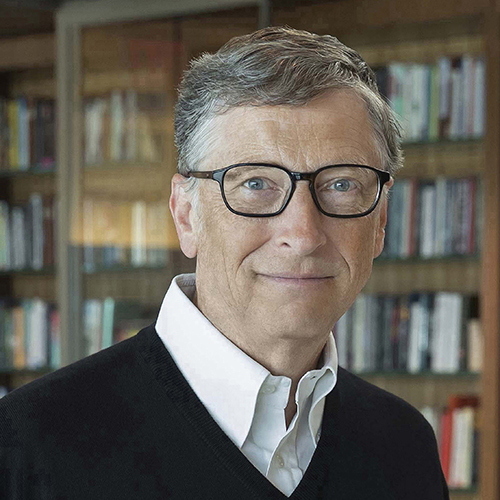
He also believes people with enormous fortunes should contribute more towards society.
This position is significant because Gates himself built one of the world’s largest technology fortunes through Microsoft.
Artificial Intelligence Could Make Wealth Inequality Worse
Artificial intelligence is changing the way companies operate.
Businesses now use AI systems to write computer code, analyse financial information, answer customer questions, generate content and automate administrative tasks.
These tools help companies complete certain activities faster and, in some cases, with fewer employees.For business owners, this creates an opportunity to reduce costs and increase productivity.
For investors, successful AI companies offer the possibility of enormous financial returns.
But the benefits are unlikely to reach everyone equally.
Technology founders, major shareholders and investors often own significant portions of the companies developing these systems.
When those businesses increase in value, their wealth grows.
Ordinary workers do not automatically receive the same financial benefits.
Some employees might earn higher salaries because they possess valuable technical skills.
Others might face reduced demand for their services as businesses automate certain responsibilities.
Gates Wants Governments to Rethink How They Tax Labour and Machines
One of Gates’ major concerns involves the difference between employing people and investing in automation.
When a business hires workers, it pays salaries and often contributes payroll-related taxes.
When the same business purchases machines or software to perform certain activities, the tax treatment might be different.
This creates an incentive for companies to invest in automation instead of hiring additional employees.Gates has previously argued that governments should reconsider how they tax robots and automated systems.His argument is not that businesses should stop using technology.
He believes innovation should continue, but governments must protect their ability to raise revenue as the economy changes.
If companies replace large numbers of workers with automated systems, governments might face pressure from declining employment-related tax revenue.
At the same time, businesses benefiting from automation might generate higher profits.
Why Philanthropy Is Not Enough
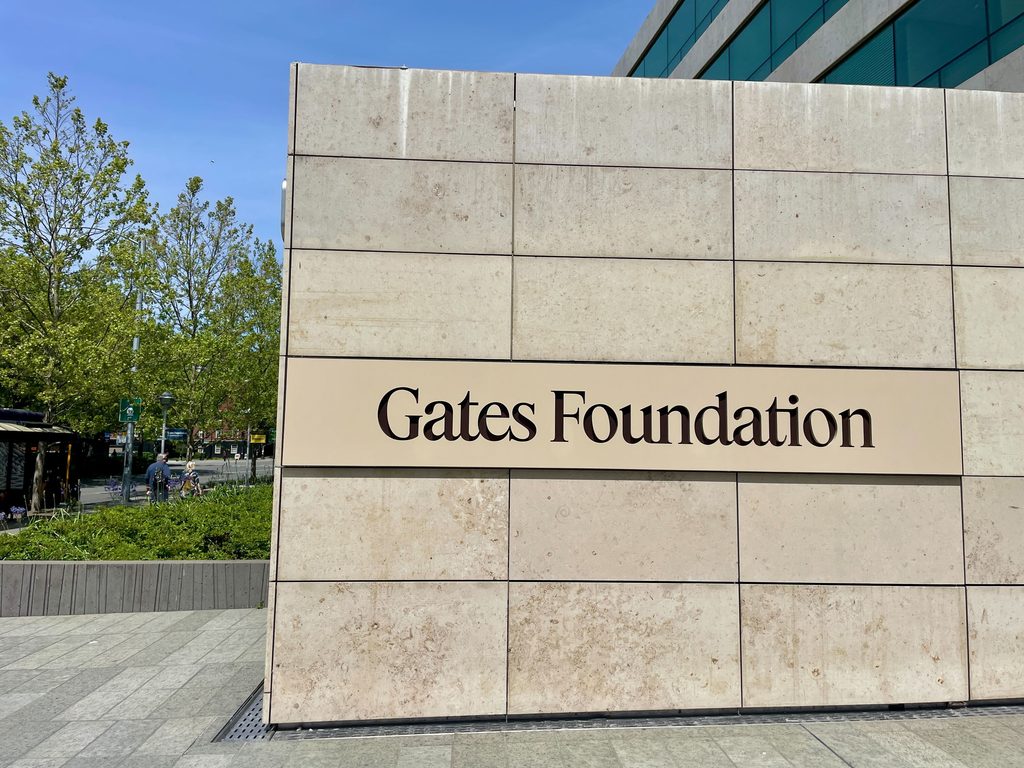
Gates has committed to giving away virtually all his wealth through the Gates Foundation.
The foundation supports programmes involving global health, education, agriculture and poverty reduction.His charitable work has helped fund initiatives across several countries.
But Gates believes philanthropy has limitations.
A charitable organisation cannot replace the full responsibilities of a government.
It does not control national tax policy, public infrastructure spending or entire healthcare and education systems.
He argues that governments must collect enough revenue to provide essential services.
This distinction matters because some wealthy individuals argue that their charitable contributions demonstrate their commitment to society.
Gates’ position is different.He believes personal generosity should complement government support, rather than replace public responsibility.
Not Everyone in the Technology Industry Agrees
The proposal to increase taxes on wealthy individuals and automated systems has attracted different reactions from technology leaders.
Nvidia CEO Jensen Huang has expressed support for taxation but disagrees with Gates’ proposal to tax robots.
Their disagreement shows how difficult the issue is.
Higher taxes might provide governments with more revenue, but poorly designed policies could discourage investment or affect the growth of businesses developing new technologies.
Governments must also decide how to measure wealth, calculate the value of automation and prevent companies from shifting profits to lower-tax jurisdictions.
What This Means for Nigeria and Other Countries
Bill Gates’ proposal has global relevance, but it does not automatically become law in every country.
Nigeria, the United States, the United Kingdom, Ghana and other countries have their own tax systems.
Each government must decide whether to introduce taxes on AI businesses, automated systems or wealthy individuals.
For Nigeria, the debate raises important questions about how the country will regulate businesses adopting AI and how workers will adapt to technological changes.
Gates is not asking every Nigerian to pay higher taxes.His main concern is the contribution of billionaires, wealthy individuals and businesses benefiting from automation.
Final Thought
Artificial intelligence is changing how people work, how companies make money and how wealth is created.
Bill Gates believes governments must prepare for these changes before the gap between wealthy individuals and ordinary workers becomes wider.
His proposal raises an important question for world leaders. How will governments collect enough revenue when businesses increasingly depend on machines and AI instead of human workers?
The answer will shape the future of employment, taxation and economic inequality.
Frequently Asked Questions
1. Why does Bill Gates want billionaires to pay more taxes?
He believes wealthy individuals should contribute more towards public services and reducing economic inequality.
2. Does Bill Gates want everyone to pay higher taxes?
No. His main argument focuses on billionaires, wealthy individuals and businesses benefiting from automation.
3. Does his proposal apply to Nigeria?
Not automatically. Nigeria would have to decide whether to introduce similar tax policies.